
PHILIPPINE WEAVES (HABI) EXHIBITION HELD AT CULTURAL HUB INSA-DONG, SEOUL
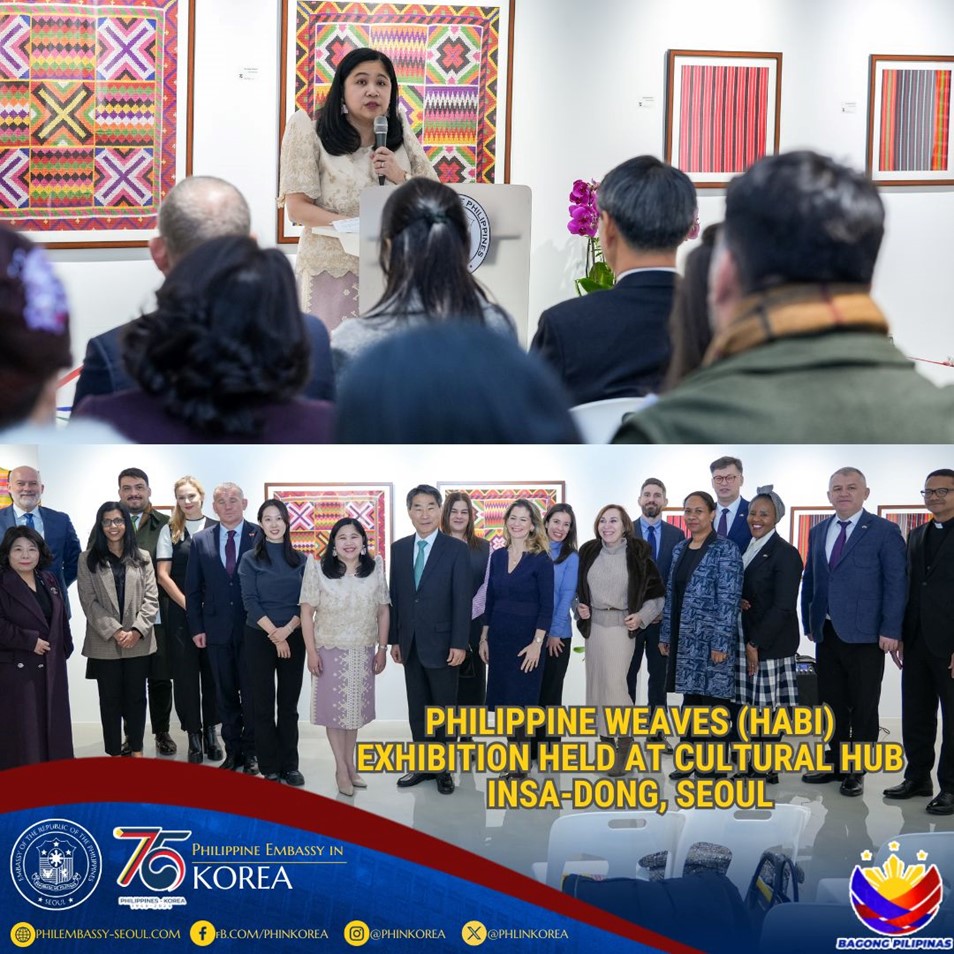 (PHOTOS – Top: Ambassador Ma. Theresa B. Dizon – De Vega delivers her welcome remarks to the over sixty guests in attendance. Below: Ambassador Dizon – De Vega, Secretary General Kim Jae Shin of the ASEAN-Korea Center (left of the Ambassador) and Director Yennie Shon (right of the Ambassador) of the Korea Foundation for International Cultural Exchange (KOFICE) together with ten Ambassadors and the members of the Diplomatic Corps at the Opening Ceremony).
17 December 2024, Seoul – The opening ceremony of the exhibition “Threads of Culture: An exhibit of Philippine Weaves (HABI)” was held on 17 December 2024 at the Ohmi Gallery, Maru Art Center located in the bustling cultural hub of Insa-dong in Seoul. The exhibition, showcasing the rich and intricate weaving traditions of the Philippines, was organized to commemorate the 75th anniversary of diplomatic relations between the Philippines and Korea, highlighting the enduring cultural ties and shared history between the two countries.
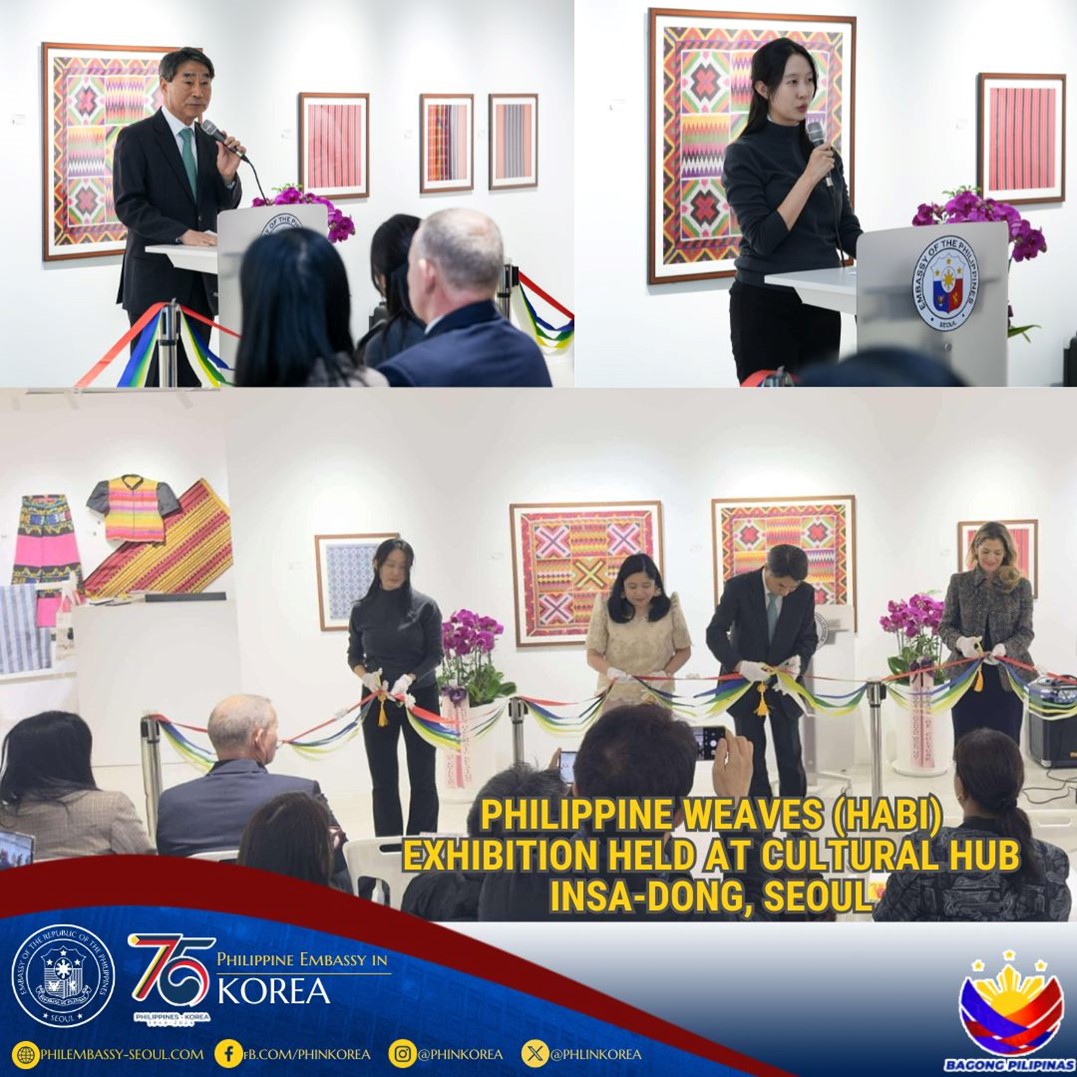 (PHOTOS: Top Left: Secretary General Kim Jae Shin of the ASEAN-Korea Centre and Top right: Director Yennie Shon of the Korea Foundation for International Cultural Exchange (KOFICE) deliver their congratulatory remarks.
Below (far right): Ms. Natalia Federighi de Cuello, President of the Association of Spouses of Ambassadors in Korea (ASAS) joins Director Shon, Ambassador Dizon – De Vega, and Director General Kim in cutting the ceremonial ribbon to open the Philippine weaves exhibition).
In her remarks, Philippine Ambassador Theresa Dizon – De Vega highlighted the significance of the exhibit, describing it as “a tribute to the enduring friendship between the Philippines and Korea as we commemorate 75 years of diplomatic relations – a relationship built on mutual respect, shared values, and a commitment to fostering cultural understanding” she further expressed, “gratitude to the artisans whose works we celebrate today, the social entrepreneurs who are tirelessly building sustainable bridges between heritage and commerce, the weave advocates and tradition bearers, and all those who made this exhibit possible”.
ASEAN Korea Centre Secretary General and a former Ambassador of Korea to the Philippines Kim Jae-shin, congratulated the Philippine Embassy for its efforts in bringing Philippine culture closer to the Korean people and acknowledged the strong and meaningful relationship shared by the two nations.
Meanwhile Korea Foundation for International Cultural Exchange (KOFICE) Director Yennie Shon in her remarks stated that “I believe that the “HABI” Philippine Textile Exhibition, being held here in Insa-dong – a cultural heart of Korea – will serve to deepen the cultural connections between our two nations”. She likewise cited the recently concluded Asia Song Festival and Culture Bridge Festa festival in October, hosted by the Ministry of Culture, Sports, and Tourism where the Philippines was honored as the guest country.
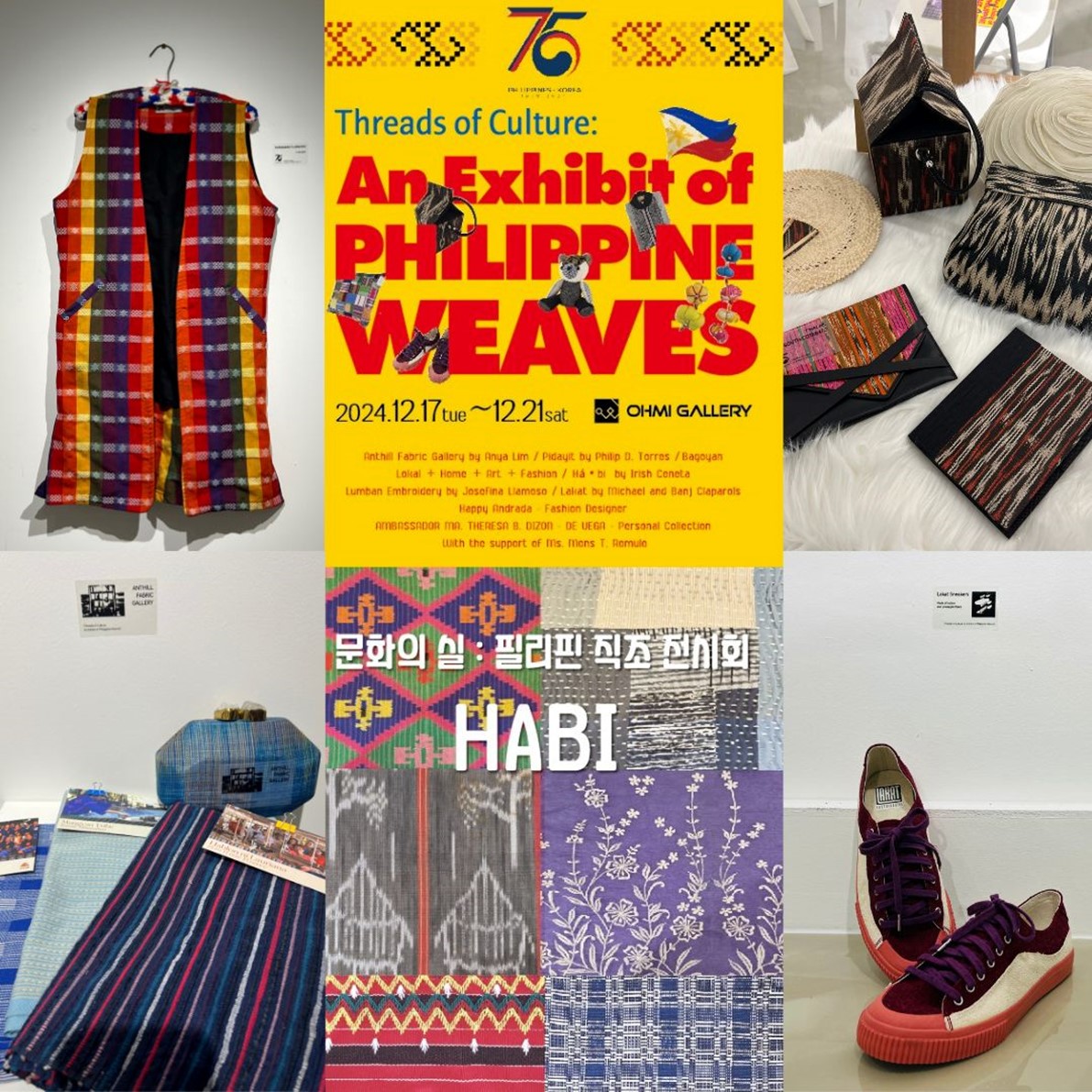 (PHOTOS: Various cotton and pineapple weaves displayed at the exhibition).
The opening program was attended by over 60 guests, including Ambassadors, other members of the Diplomatic Corps in Seoul, and personalities from the business, design, and cultural sectors, along with representatives from the local media. The ribbon-cutting ceremony was participated in by Ambassador Dizon-de Vega, Secretary General Kim, Director Yoon, and Ms. Natalia Federighi de Cuello, President of the Association of Spouses of Ambassadors in Korea (ASAS). A reception and viewing followed the program.
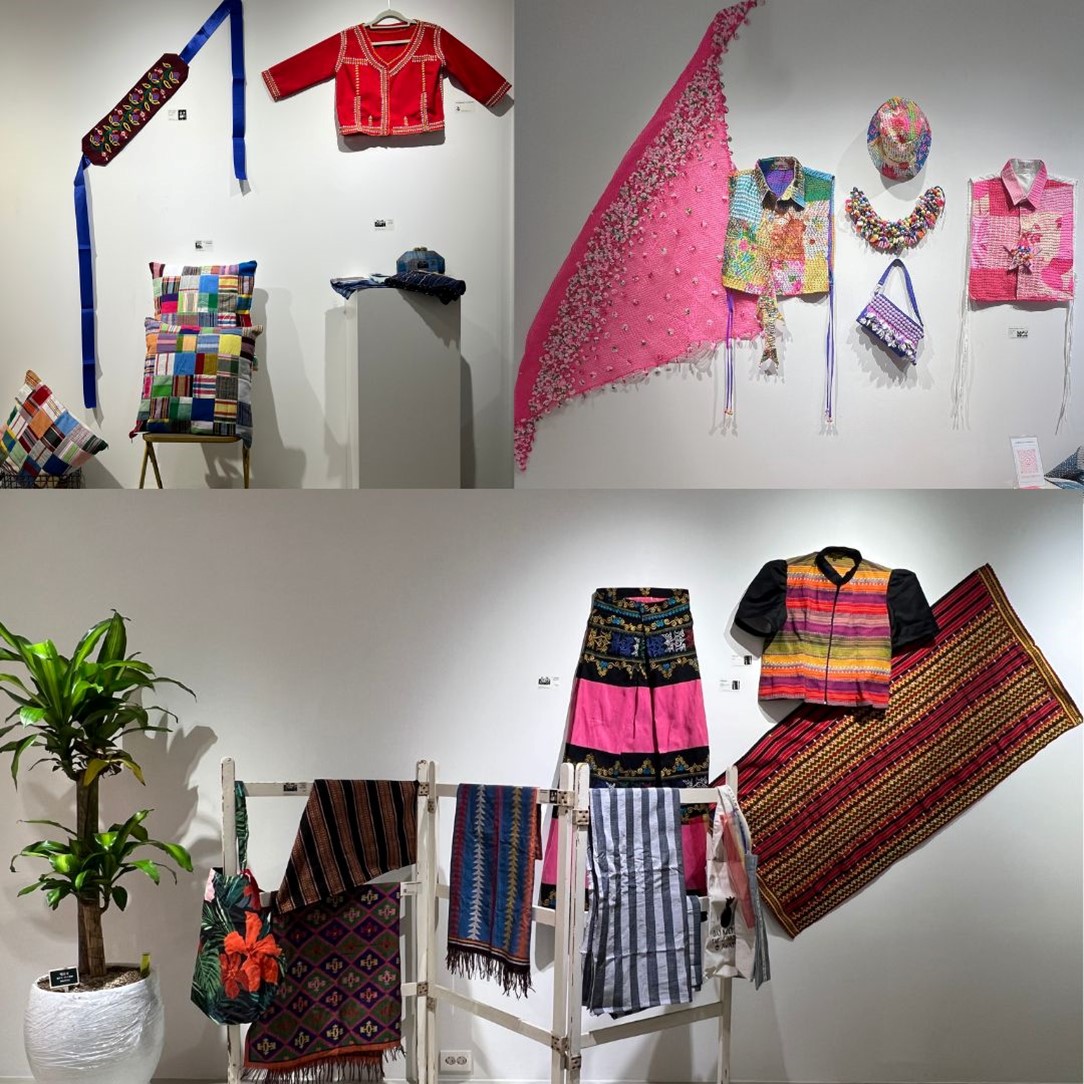 (PHOTOS: Various cotton and pineapple weaves displayed at the exhibition).
The event featured the participation of weaving companies, designers and social entrepreneurs from the Philippines, including Anthill Fabric Gallery, Pidayit by Philip D. Torres, Bagoyan, Lokal + Home + Art + Fashion, Ha.bi by Iris Ceneta, Lumban Embroidery by Josefina Llamoso, Lakat, Happy Andrada, and Our Little Ideas Philippines. These participants showcased the unique designs and intricate patterns of their creations, highlighting the rich diversity of Philippine weaving traditions. Ambassador Dizon – De Vega also contributed pieces from her personal collection, featuring weaves and traditional attire crafted by various indigenous communities in the Philippines.
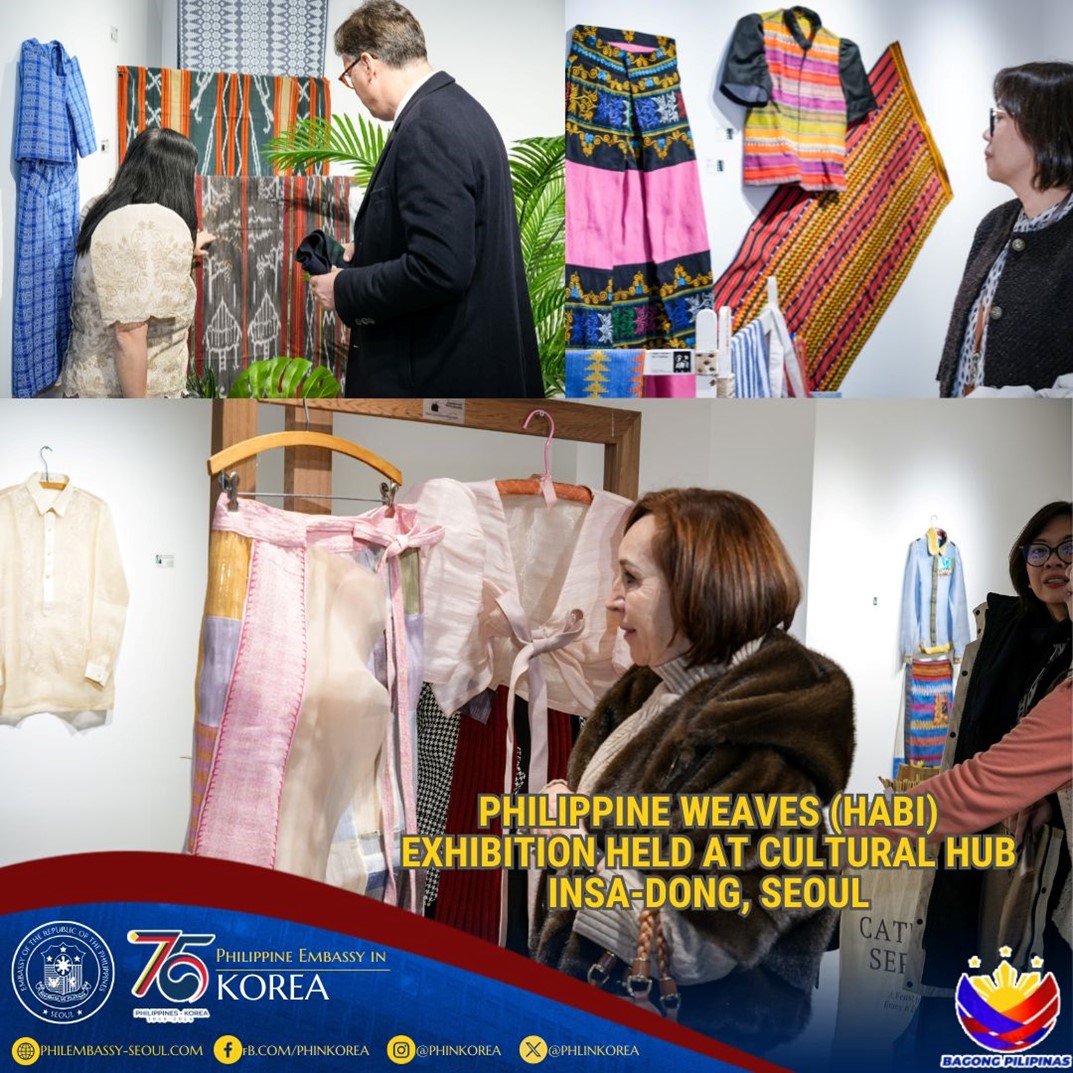 (PHOTOS: Guests from the diplomatic corps and private sectors admiring the creations of the contributing participants).
The exhibition will run from 17 to 21 December 2024.END.